From someone who spent years avoiding them and is now making up for lost time
Key Takeaways
| What You’ll Learn | Why It Matters |
|---|---|
| 8 roasted Brussels sprouts recipes | One for every mood, season, and occasion |
| The technique that fixes soggy sprouts | Most bad Brussels sprouts are a method problem, not an ingredient problem |
| Flavor pairings that work | Fat, acid, and heat are the three levers |
| Timing and temperature per recipe | The difference between crispy and steamed is usually 25°F |
| Make-ahead and meal prep notes | Some of these work for weeknight dinners, some for holiday tables |
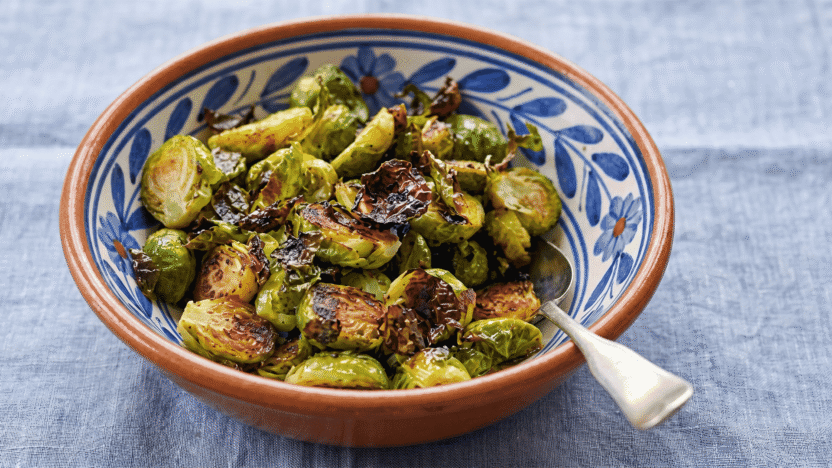
Brussels sprouts have a reputation problem that they haven’t deserved for about twenty years. The ones that earned it — boiled until gray, faintly sulfurous, served out of obligation — were a cooking problem, not a vegetable problem. Roast the same Brussels sprout at high heat with a little fat and salt and it becomes something else entirely: crispy on the outside, tender through the middle, with a nutty sweetness that has nothing to do with the version you pushed around a plate as a kid.
Roasted Brussels sprouts are one of the easier vegetables to get right once you understand a few things about how they work. These eight recipes go from a simple weeknight side to a centerpiece-worthy holiday dish, all built around the same vegetable, roasted at high heat, with different flavor directions.
Every recipe has been cooked in a home kitchen. None of them require special equipment. All the ingredients are available at any grocery store in the US, year-round.
Why Roasting Changes Everything
Brussels sprouts are part of the brassica family, which means they contain sulfur compounds that release when cooked with wet heat — boiling, steaming. That’s where the smell comes from, and the soft, slightly bitter texture that put a generation of people off them.
Dry, high heat does something different. The outer leaves caramelize and crisp. The cut surfaces brown from the Maillard reaction — the same process that makes a seared steak taste better than a boiled one. The sulfur compounds don’t get the chance to accumulate because the moisture evaporates fast.
The result is a vegetable that tastes nutty, slightly sweet, and rich. Still a Brussels sprout, but barely recognizable as the version that gave them their reputation.
Three things control the outcome:
Heat. At least 400°F, preferably 425°F. Lower than that and the sprouts steam in their own moisture before they brown.
Space. Single layer, cut side down, not touching. Crowded pans steam instead of roast. If your pan is full, use two.
Fat. Olive oil, butter, or bacon fat coat the leaves and conduct heat evenly. Too little and the sprouts dry out. Too much and they get greasy. About one tablespoon of oil per pound of sprouts is the working ratio.
The Base Method
Every recipe below starts here. Get this right and everything else is seasoning.
Basic Roasted Brussels Sprouts
| Ingredient | Amount |
|---|---|
| Brussels sprouts, trimmed and halved | 1 pound |
| Olive oil | 2 tablespoons |
| Kosher salt | ¾ teaspoon |
| Black pepper | ¼ teaspoon |
Method: Heat oven to 425°F. Toss sprouts with oil, salt, and pepper. Spread on a rimmed baking sheet cut side down, in a single layer, without touching. Roast 20–25 minutes until the cut sides are deep brown and the outer leaves are crispy. Don’t stir during roasting — the cut side needs uninterrupted contact with the hot pan.
One thing that changes the result more than anything else: dry the sprouts before oiling them. Pat them with a paper towel or let them air-dry for a few minutes after washing. Surface moisture turns to steam in the oven and slows browning. Dry sprouts brown faster and crispier.
1. Classic Garlic Roasted Brussels Sprouts
The one that converts skeptics. Garlic, olive oil, salt, and high heat — nothing else. The garlic toasts in the oven alongside the sprouts, turning sweet and fragrant instead of sharp.
Toss halved sprouts with olive oil, four minced garlic cloves, salt, and pepper. Spread cut side down on a baking sheet. Roast at 425°F for 22–25 minutes. The garlic will get slightly golden and nutty. If it starts to burn before the sprouts finish, tent the pan loosely with foil for the last five minutes.
A squeeze of fresh lemon juice right before serving is optional and good. It cuts through the richness and brightens everything.
| Nutrition (approx. per serving) | Amount |
|---|---|
| Calories | 110 |
| Fat | 7g |
| Fiber | 4g |
| Vitamin C | 74mg |
Works as: a weeknight side, a meal-prep vegetable that reheats without losing too much texture, a topping for grain bowls.
2. Balsamic Glazed Roasted Brussels Sprouts
This is the version that people who say they don’t like Brussels sprouts end up eating most of.
The balsamic glaze adds sweetness and acidity that plays against the bitterness of the sprout. Make it simple: roast the sprouts using the base method, then in the last five minutes of cooking drizzle two tablespoons of balsamic vinegar over the pan and toss quickly to coat. Return to the oven. The vinegar reduces in the heat and coats the sprouts in a slightly sticky, dark glaze.
Don’t add the balsamic at the beginning — it burns before the sprouts finish cooking and turns bitter.
Upgrade: a drizzle of honey alongside the balsamic (one teaspoon) tips this into sweet-sour territory. Good alongside roast chicken or pork.
| Nutrition (approx. per serving) | Amount |
|---|---|
| Calories | 130 |
| Fat | 7g |
| Carbohydrates | 14g |
| Fiber | 4g |
Make-ahead note: these reheat well in a 375°F oven for eight minutes. The glaze clings better the second day, if anything.
3. Crispy Brussels Sprouts with Bacon
The combination that made Brussels sprouts fashionable again in restaurants about fifteen years ago. It still works.
Cook four strips of bacon in the oven at 400°F on a separate pan until crispy, about 12 minutes. Reserve two tablespoons of the rendered bacon fat. Toss the sprouts in the bacon fat instead of olive oil, season with salt and pepper, roast cut side down at 425°F for 20–22 minutes. Crumble the cooked bacon over the top before serving.
The bacon fat coats the sprouts differently than olive oil — it has a lower smoke point, a richer flavor, and produces a slightly denser crust on the cut side. The smokiness runs through the whole dish.
| Nutrition (approx. per serving) | Amount |
|---|---|
| Calories | 185 |
| Fat | 13g |
| Protein | 8g |
| Fiber | 4g |
For a crowd: double the recipe and use a large sheet pan. Everything scales linearly. Don’t use more bacon fat than the recipe calls for — too much and the sprouts fry rather than roast.
4. Parmesan Roasted Brussels Sprouts
Cheese and Brussels sprouts is a combination that doesn’t get made enough outside of holiday casseroles, which is a shame because roasted sprouts with Parmesan is one of the better vegetable sides you can put on a weeknight table.
Roast using the base method. With five minutes left, pull the pan, scatter a generous half cup of freshly grated Parmesan over the sprouts, and return to the oven. The cheese melts, crisps slightly at the edges, and forms an irregular crust over the tops of the sprouts. It tastes more like it took effort than it does.
Freshly grated matters here. Pre-grated Parmesan from a shaker container has cellulose added to prevent clumping, and it doesn’t melt or brown the same way. Buy a small block and grate it yourself. The difference is real.
| Nutrition (approx. per serving) | Amount |
|---|---|
| Calories | 155 |
| Fat | 10g |
| Protein | 7g |
| Fiber | 4g |
A pinch of red pepper flakes with the Parmesan adds a background heat that works well against the richness of the cheese.
5. Honey Sriracha Roasted Brussels Sprouts
Sweet heat. This one disappears faster than any other version at a party.
Whisk together two tablespoons of honey, one tablespoon of Sriracha, one tablespoon of olive oil, half a teaspoon of garlic powder, and a pinch of salt. Toss the halved sprouts in this mixture, spread cut side down on a baking sheet. Roast at 425°F for 22–25 minutes. The honey caramelizes against the pan and creates slightly chewy, lacquered edges on the sprouts.
The ratio of honey to Sriracha determines how hot versus sweet this lands. The recipe as written is mildly spicy — enough heat to notice, not enough to bother most people. For more heat, increase the Sriracha by half a teaspoon. For a sweeter version, add another teaspoon of honey.
| Nutrition (approx. per serving) | Amount |
|---|---|
| Calories | 145 |
| Fat | 7g |
| Carbohydrates | 18g |
| Fiber | 4g |
Good with: rice, roasted salmon, anything that benefits from a sweet-spicy vegetable alongside it.
6. Lemon Tahini Roasted Brussels Sprouts
This one has more steps than most on this list and is worth every one of them.
Roast the sprouts using the base method until deeply browned. While they roast, whisk together two tablespoons of tahini, juice from one lemon, one minced garlic clove, two tablespoons of warm water, and a pinch of salt until smooth and pourable. Taste it — it should be nutty, tangy, and slightly savory. If it’s too thick, add water a tablespoon at a time.
Arrange the roasted sprouts on a serving plate and drizzle the tahini sauce over the top. Add some fresh parsley if you have it, and a pinch of za’atar if you want to lean into the Middle Eastern direction this naturally goes.
| Nutrition (approx. per serving) | Amount |
|---|---|
| Calories | 175 |
| Fat | 12g |
| Protein | 6g |
| Fiber | 5g |
This is the vegetarian version that holds its own against meat-heavy dishes at a dinner table. It eats like a complete dish, not a side.
7. Brown Butter Brussels Sprouts with Hazelnuts
The holiday table version. This one has the kind of flavor that makes people ask what’s in it.
Roast sprouts using the base method. While they’re in the oven, melt three tablespoons of butter in a small saucepan over medium heat, stirring frequently. Once the milk solids turn golden and it smells toasted and nutty — about four to five minutes — pull it off the heat immediately. Add a small handful of roughly chopped toasted hazelnuts to the brown butter.
Transfer the roasted sprouts to a serving bowl and spoon the brown butter and hazelnuts over the top. Finish with a few shavings of Parmesan and flaky sea salt.
The brown butter, hazelnuts, and Brussels sprouts combination is one of those things that tastes more thought-through than it actually is. The nutty butter and crunchy hazelnuts are doing a lot of the work.
| Nutrition (approx. per serving) | Amount |
|---|---|
| Calories | 215 |
| Fat | 17g |
| Protein | 5g |
| Fiber | 4g |
Timing note: brown butter goes from golden to burnt in about thirty seconds once it gets going. Don’t walk away from the pan.
8. Sheet Pan Brussels Sprouts with Sausage and Apples
This one is a full meal, not a side dish.
Halve one pound of Brussels sprouts and slice two medium apples into wedges (Honeycrisp or Fuji hold up best). Slice two Italian sausage links into rounds. Toss everything together with two tablespoons of olive oil, one teaspoon of Dijon mustard, one teaspoon of maple syrup, half a teaspoon of dried thyme, salt, and pepper. Spread on a large baking sheet — everything in a single layer — and roast at 425°F for 25–30 minutes, stirring once halfway through.
The apples soften and caramelize at the edges. The sausage browns. The Brussels sprouts go crispy. Everything picks up the mustard-maple-thyme seasoning together.
| Nutrition (approx. per serving) | Amount |
|---|---|
| Calories | 380 |
| Fat | 22g |
| Protein | 18g |
| Carbohydrates | 24g |
One large baking sheet feeds two people as a dinner, or four as a generous side. It comes together in about thirty-five minutes start to finish, including prep, which puts it in the realistic range for a weeknight.
All 8 Recipes: Quick Comparison
| Recipe | Best For | Prep Time | Difficulty | Dietary Notes |
|---|---|---|---|---|
| Classic Garlic | Weeknights, meal prep | 5 min | Easy | Vegan, GF |
| Balsamic Glazed | Guests, dinner parties | 5 min | Easy | Vegan, GF |
| Bacon | Crowd-pleasers | 10 min | Easy | GF |
| Parmesan | Weeknights, comfort | 5 min | Easy | Vegetarian, GF |
| Honey Sriracha | Parties, snacking | 5 min | Easy | Vegan, GF |
| Lemon Tahini | Vegetarian mains | 10 min | Medium | Vegan, GF |
| Brown Butter & Hazelnuts | Holidays, special dinners | 10 min | Medium | Vegetarian, GF |
| Sheet Pan with Sausage | One-pan dinner | 12 min | Easy | GF |
Troubleshooting: Why Your Brussels Sprouts Aren’t Browning
This comes up enough that it’s worth its own section.
The pan is too crowded. This is the most common problem. Crowded Brussels sprouts trap steam and braise in each other’s moisture instead of roasting. Use two pans if you need to.
The oven isn’t hot enough. Many home ovens run cooler than the dial says. If your sprouts take longer than 30 minutes to brown at 425°F, your oven likely runs low. Invest in an oven thermometer — they’re cheap and the information is useful.
The sprouts were wet when they went in. Wash them, then dry them. Seriously dry them. Surface moisture is the enemy of browning.
You moved them too early. The cut sides need sustained contact with the hot pan to brown. Leave them alone for at least 18 minutes before checking.
The oil was too cold. Toss the sprouts in oil right before they go in the oven, not twenty minutes earlier. Cold oil-coated sprouts can steam before the oil heats up.
Storage and Reheating
| Method | Duration | Notes |
|---|---|---|
| Refrigerator, airtight container | 3–4 days | Texture softens slightly |
| Freezer | Up to 2 months | Best re-roasted, not microwaved |
| Room temperature | 2 hours max | Don’t leave them out longer |
Best way to reheat: spread on a baking sheet in a single layer, 375°F for 8–10 minutes. A microwave technically works but produces a soft, slightly soggy sprout that doesn’t taste like the original. The oven takes longer and is worth it.
The bacon and sheet-pan versions reheat best. The balsamic glaze tightens up nicely the second day. The lemon tahini is best eaten fresh since the sauce doesn’t reheat as well — make the sauce fresh if you’re reheating the sprouts.
Buying and Prepping Brussels Sprouts
How to buy them: Look for firm, compact sprouts with tightly closed leaves. Loose, yellowed outer leaves mean older sprouts that have lost some of their moisture and sweetness. Smaller sprouts (under an inch) tend to be sweeter and cook faster. Larger ones take a few extra minutes and are better suited to recipes where they’ll be halved.
Fresh vs. frozen: Fresh sprouts roast better. Frozen sprouts contain too much moisture, which makes browning difficult even with a hot oven and a dry pan. Frozen works for soups, braises, and anything with liquid — not for roasting.
How to prep them: Trim the stem end (just the very base, not the whole bottom), peel off any yellowed or damaged outer leaves, and halve them top to bottom through the stem. This gives a flat cut surface that makes direct contact with the pan.
Pre-shredded Brussels sprouts from the bag are a shortcut that works for some recipes. They roast faster (10–12 minutes), get crispier throughout, and work well in the Parmesan and honey Sriracha versions. They don’t work as well for the sheet pan recipe or any version where you want a meatier texture.
Common Questions
Why do my Brussels sprouts smell so strong when cooking? High heat minimizes this. The stronger smell comes from prolonged wet-heat cooking. Roasting at 425°F moves them through the cooking process quickly enough that the sulfur compounds don’t have time to accumulate. Good ventilation helps too.
Can I roast Brussels sprouts ahead of time? Yes, but roast them to about 80% done, pull them when they’re just starting to brown but still have some firmness. Store, then finish in a hot oven for eight minutes before serving. This method works well for holiday cooking when oven space is competitive.
What pairs well with roasted Brussels sprouts? Nearly any protein — roast chicken, salmon, pork tenderloin, steak. They also work alongside pasta, grain bowls, and roasted root vegetables. The stronger the main dish, the simpler the Brussels sprouts should be. A heavily seasoned protein does better with the classic garlic version than the lemon tahini.
Are Brussels sprouts good for you? They have a reasonable nutritional profile — high in fiber, vitamin C, and vitamin K. A cup of cooked Brussels sprouts has more vitamin C than an orange. Whether that matters to you depends on how you eat, but they’re not doing any harm.
Conclusion
Brussels sprouts don’t need rehabilitation. They just need to be cooked right. High heat, dry surface, room to breathe on the pan — those three things convert a vegetable with a bad reputation into one of the better things that comes out of a home oven.
The classic garlic version is the one to start with. The balsamic glaze is the one that wins over the last holdouts. The sheet pan dinner with sausage and apples is the one for a weeknight when you don’t want to think too hard. The brown butter and hazelnut version is for when you want people to ask what you made.
Pick whichever sounds most useful right now and work out from there.