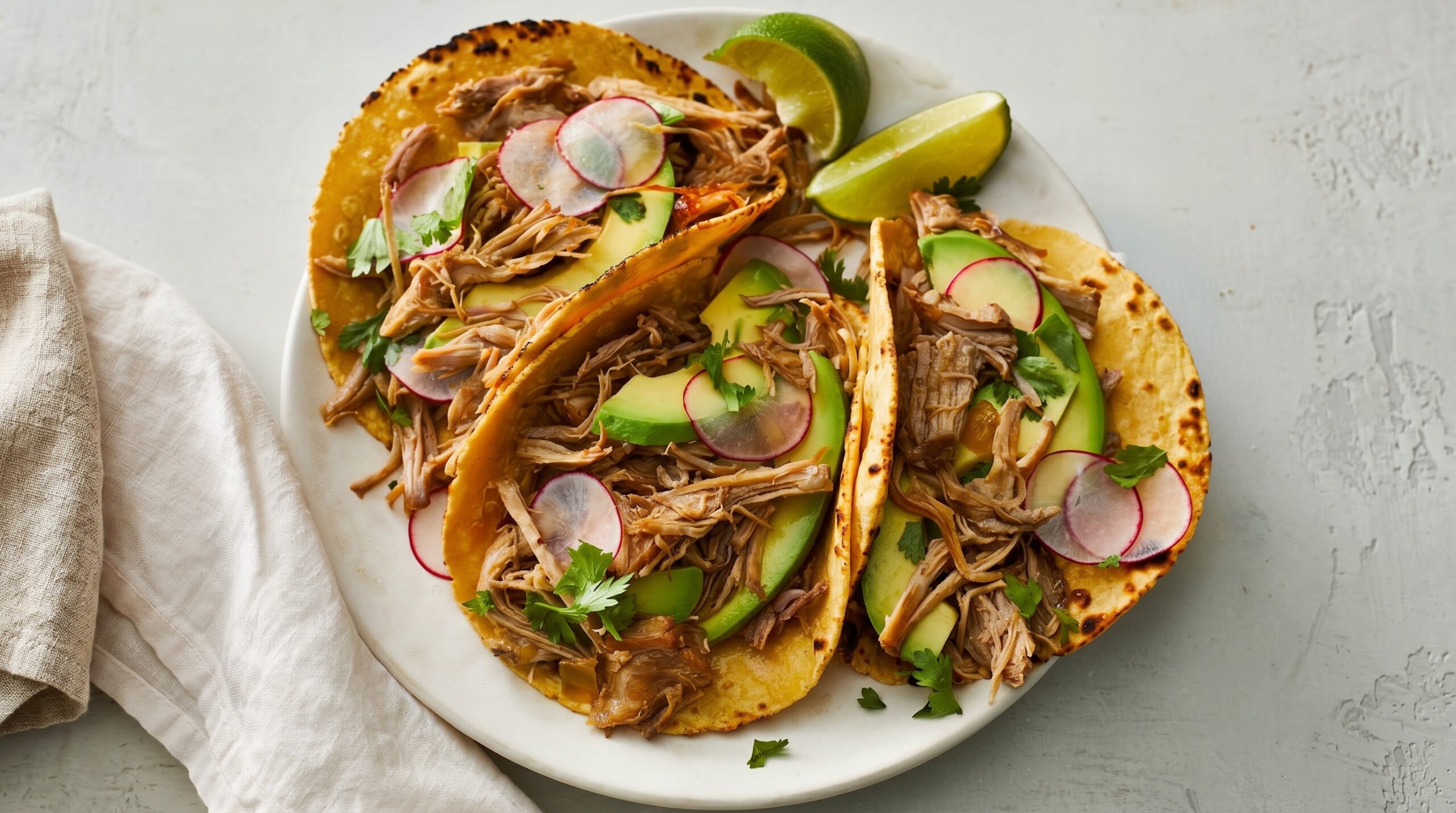
Do you dream of serving restaurant-quality pork that falls apart at the touch of a fork? Many home cooks believe that achieving that perfect, tender texture requires hours of professional training. In reality, you can master this savory dish right in your own kitchen with very little effort.

We have gathered five distinct methods to help you create a delicious Carnitas Recipe that will impress your family and friends. Whether you prefer a slow cooker or a modern pressure cooker, these techniques ensure you get that signature balance of juicy meat and crispy, caramelized edges every single time.
Finding an easy carnitas recipe is the first step toward becoming the star of your next dinner party. By following these simple approaches, you will transform humble ingredients into a mouthwatering meal that feels truly special. Let’s dive into the secrets of creating authentic, flavorful pork that melts in your mouth.
Key Takeaways
- Master the art of achieving tender, restaurant-style pork at home.
- Explore five unique cooking methods suitable for any skill level.
- Learn how to balance savory flavors with perfectly crispy edges.
- Save time in the kitchen without sacrificing authentic taste.
- Impress your guests with professional-quality meals made with ease.
The Art of Authentic Mexican Carnitas
Achieving that signature melt-in-your-mouth texture is an art form rooted in deep Mexican culinary heritage. When you prepare authentic carnitas, you are participating in a time-honored tradition that prioritizes patience and quality ingredients. This dish is a staple of street food culture, celebrated for its rich, savory profile and tender consistency.
Understanding the Pork Shoulder Cut
The foundation of any great recipe is the meat itself. For mexican carnitas, the pork shoulder, often labeled as Boston butt, is the undisputed gold standard. This specific cut offers the perfect balance of muscle and marbling required for long, slow cooking.
Unlike leaner cuts that dry out under heat, the shoulder remains succulent throughout the process. It provides the structural integrity needed to hold up during hours of braising. By choosing this cut, you ensure that your final dish maintains the authentic texture that food lovers crave.
The Importance of Fat and Collagen
The magic of this dish happens at a microscopic level. Pork shoulder is packed with connective tissue and intramuscular fat, which are essential for flavor development. As the meat cooks, the collagen slowly breaks down into gelatin, creating a luxurious, silky mouthfeel.
Skipping the fat is never an option if your goal is truly juicy meat. This natural fat renders down to baste the pork, infusing every fiber with deep, savory notes. Without these biological components, the result would be stringy and bland rather than the tender, flavorful experience expected from authentic carnitas.
| Pork Cut | Fat Content | Best Use | Result |
|---|---|---|---|
| Pork Shoulder | High | Slow Braising | Very Tender |
| Pork Loin | Low | Quick Roasting | Can Dry Out |
| Pork Belly | Very High | Crispy Bites | Rich/Greasy |
Essential Ingredients for the Best Carnitas Recipe
If you want to achieve the best carnitas recipe, your ingredient selection is the most critical step. Preparing a restaurant-quality dish at home relies on balancing bold, savory notes with bright, acidic undertones. By stocking your pantry with these foundational items, you ensure that every bite is packed with authentic flavor.
Selecting the Right Aromatics and Spices
The backbone of any great carnitas recipe lies in its aromatic profile. Fresh garlic and yellow onions provide a deep, savory base that permeates the pork as it cooks slowly. You should never skip the dried oregano, preferably Mexican oregano, which adds a subtle, earthy floral note that defines the traditional taste.
Beyond these basics, consider adding a bay leaf or two to the pot. These aromatics work in harmony to lift the heavy, rich profile of the pork shoulder. When these ingredients simmer together, they create a fragrant environment that infuses the meat with layers of complexity.
The Role of Citrus in Tenderizing Meat
Citrus is the secret weapon for achieving that perfect, melt-in-your-mouth texture. The natural acidity found in oranges and limes works to break down tough muscle fibers during the long cooking process. This chemical reaction ensures the meat remains succulent rather than dry.
Furthermore, the sugars in the orange juice help balance the richness of the rendered pork fat. This combination creates a beautiful, caramelized finish that is essential for a high-quality result. Using fresh juice is always recommended to maintain the brightest flavor profile possible.
| Ingredient | Primary Function | Flavor Contribution |
|---|---|---|
| Garlic | Aromatic Base | Pungent and Savory |
| Mexican Oregano | Herbaceous Depth | Earthy and Floral |
| Orange Juice | Tenderizer | Sweet and Acidic |
| Lime Juice | Brightener | Sharp and Zesty |
Slow Cooker Carnitas for Hands-Off Perfection
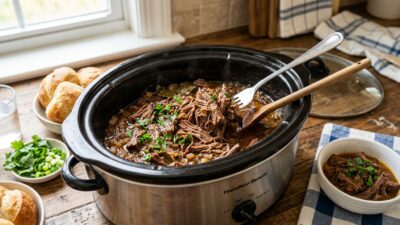
Transforming a tough cut of pork into a melt-in-your-mouth feast is effortless with a slow cooker. This method is perfect for those who want incredible flavor without standing over a hot stove all day. By using this easy carnitas recipe, you can achieve professional results with minimal active effort.

Preparing the Pork for the Slow Cooker
Start by cutting your pork shoulder into large, uniform chunks to ensure even cooking. Rub the meat generously with your spice blend, making sure every piece is well-coated for maximum flavor penetration. Layer the bottom of your slow cooker with sliced onions and garlic to create a fragrant bed for the pork.
Setting the Temperature and Cooking Time
For the most tender texture, patience is your best friend. Set your device to the low setting and let the meat cook for 8 to 10 hours. This slow process allows the connective tissues to break down completely, resulting in perfectly shreddable meat. If you are in a hurry, you can use the high setting for 4 to 5 hours, though low heat is generally preferred for the best outcome.
Finishing Touches for Crispy Edges
Once the pork is tender enough to fall apart, remove it from the liquid and shred it using two forks. Spread the shredded meat onto a large baking sheet in a single layer. Broil the pork for a few minutes until the edges become delightfully crispy and golden brown. This final step is the secret to making your slow cooker carnitas taste just like the authentic version found in traditional taquerias.
Dutch Oven Method for Traditional Crispy Carnitas
Mastering the Dutch oven method allows you to transform simple pork shoulder into a culinary masterpiece. This heavy-duty vessel provides the perfect environment for heat retention, ensuring your pork carnitas develop that signature melt-in-your-mouth texture. By using this traditional approach, you gain complete control over every stage of the cooking process.

Searing the Meat for Depth of Flavor
Before you begin the braising process, you must sear the pork chunks in the hot pot. This step is essential for building a deep, caramelized crust on the exterior of the meat. High heat helps release the natural fats, which creates a flavorful foundation for the entire dish.
Low and Slow Braising Techniques
Once the meat is browned, lower the heat to a gentle simmer to begin the braising phase. Maintaining a steady, low temperature is the secret to keeping the pork succulent without drying it out. This slow transition allows the connective tissues to break down, resulting in crispy carnitas that are incredibly tender.
Reducing the Liquid for a Glazed Finish
After the meat is fully cooked, remove the lid to allow the remaining braising liquid to reduce. As the liquid evaporates, it thickens into a rich, savory glaze that coats every piece of meat. This final reduction step intensifies the flavor profile and prepares the pork for a quick crisping in the oven or pan.
| Technique | Heat Level | Primary Benefit |
|---|---|---|
| Searing | High | Flavor Development |
| Braising | Low | Tenderizing Meat |
| Reducing | Medium | Glazing Texture |
Instant Pot Carnitas for Busy Weeknights
If you are looking for a way to master how to make carnitas without spending all day in the kitchen, the Instant Pot is a game-changer. This modern appliance mimics the deep, complex flavors of a traditional long-braise in just over an hour. It is the perfect solution for busy families who still crave authentic Mexican carnitas on a weeknight.

Pressure Cooking Basics for Pork
To achieve the best results, you must ensure there is enough liquid in the pot to build pressure. A good rule of thumb is to use at least one cup of broth or citrus juice to prevent the “burn” warning. The pork shoulder should be cut into uniform chunks to ensure even cooking throughout the cycle.
Once the lid is locked, set the device to high pressure for approximately 45 to 50 minutes. This duration allows the collagen in the meat to break down completely, resulting in a tender, melt-in-your-mouth texture that falls apart with a fork.
Safety Tips for Steam Release
Safety is the most important part of using a pressure cooker. You can choose between a natural release or a quick release once the timer finishes. A natural release is often preferred for meat, as it prevents the pork from toughening up due to a sudden drop in temperature.
If you are in a hurry, a quick release is acceptable, but always use a long-handled spoon to turn the valve. Keep your face and hands away from the steam vent to avoid burns. Always check your manufacturer’s manual to confirm the specific safety protocols for your model.
Quick Broiling for Texture
After the pressure is released, the meat will be incredibly tender but lack the signature crispy edges. To fix this, transfer the shredded pork to a large baking sheet lined with parchment paper. Drizzle a small amount of the rendered fat from the pot over the meat to boost the flavor.
Place the tray under your oven broiler for five to seven minutes until the edges turn golden brown and crispy. This final step is essential when learning how to make carnitas that rival your favorite local taco shop. The contrast between the soft interior and the crunchy exterior is what makes Mexican carnitas truly special.
| Method | Time Required | Texture | Effort Level |
|---|---|---|---|
| Instant Pot | 60-90 Minutes | Very Tender | Low |
| Dutch Oven | 3-4 Hours | Traditional | Medium |
| Slow Cooker | 8-10 Hours | Soft | Very Low |
Oven-Roasted Carnitas for Maximum Flavor
Many home cooks prefer the oven-roasted method for its ability to develop rich, complex flavors over time. This technique is perfect for those who want a hands-off approach while achieving a deeply concentrated taste profile. By utilizing the steady heat of your oven, you can easily create the best carnitas recipe for your next family dinner.

Marinating for Deep Penetration
The secret to success begins long before the meat hits the heat. We recommend using a citrus-heavy marinade to ensure the bright, acidic notes penetrate deep into the muscle fibers. This process tenderizes the pork, creating a succulent texture that falls apart with the touch of a fork.
Allowing the meat to rest in this mixture for several hours is essential for the best carnitas recipe. The citrus juices work to break down tough connective tissues, which results in a much more flavorful final dish. Proper marination is truly the foundation of a high-quality roast.
Temperature Control for Even Cooking
Maintaining a consistent oven temperature is vital to ensure the meat cooks evenly without burning the exterior. We suggest keeping your oven at a moderate heat to allow the pork to braise in its own juices. This gentle heat prevents the edges from drying out while the center becomes perfectly tender.
By following these simple guidelines, you will achieve a flavorful roast that is ideal for large gatherings or weekly meal prep. This method consistently delivers the best carnitas recipe for those who value convenience and quality in their kitchen. Your guests will surely appreciate the depth of flavor that only slow oven-roasting can provide.
Stovetop Braised Carnitas for Small Batches
For those who prefer a more tactile cooking experience, stovetop braising is an excellent choice. This method is perfect when you want to prepare a smaller batch of pork carnitas without firing up the oven or slow cooker. It allows you to stay closely involved as the ingredients transform into a tender, savory meal.
Managing Heat Levels on the Stove
The secret to success lies in your ability to control the burner temperature. You want to maintain a gentle simmer rather than a rolling boil throughout the process. High heat can toughen the fibers, so keep your flame low to ensure the meat stays succulent.
Learning how to make carnitas on the stove requires patience and attention. By keeping the heat steady, you allow the connective tissues to break down slowly. This consistent temperature is the foundation for achieving that signature melt-in-your-mouth texture.
Monitoring Liquid Levels to Prevent Burning
Because you are working with a smaller volume of liquid, it is vital to keep an eye on the pot. If the liquid evaporates too quickly, the bottom of your pork carnitas may scorch. Always keep a little extra broth or water nearby to top off the pot if it looks dry.
Understanding how to make carnitas effectively means knowing when to cover or uncover your vessel. A tight-fitting lid helps trap steam, which keeps the meat moist during the long braise. Check the pot every thirty minutes to ensure the liquid level remains consistent.
| Cooking Stage | Heat Setting | Lid Status |
|---|---|---|
| Initial Sear | Medium-High | Uncovered |
| Braising Phase | Low | Covered |
| Final Reduction | Medium | Uncovered |
Pro Tips for Achieving Melt-in-Your-Mouth Texture
Achieving restaurant-quality results at home is all about the small details you handle at the end of your cooking process. While the braising phase builds the foundation, these final steps ensure your Carnitas Recipe stands out as a truly professional dish. By focusing on these nuances, you can guarantee that every serving is succulent and flavorful.
Resting the Meat Before Shredding
Patience is a virtue when working with slow-cooked pork. Once your meat is tender, allow it to rest for at least fifteen minutes before you begin shredding. This brief pause allows the internal juices to redistribute throughout the muscle fibers, ensuring the meat remains incredibly moist.
If you shred the pork immediately, the precious juices will escape onto your cutting board. Taking this extra time makes a noticeable difference in the final texture of your meal.
The Secret to Perfect Crispy Carnitas
The hallmark of authentic crispy carnitas is the contrast between the tender interior and the caramelized, crunchy exterior. To achieve this, you must balance the rendered fat with high-heat finishing techniques. Whether you use a cast-iron skillet or a broiler, ensure the meat is spread in a single layer to allow for even browning.
Do not overcrowd your pan, as this creates steam rather than a crust. A little extra patience during this final sear will reward you with that signature texture everyone loves.
Storing and Reheating Leftovers
Proper storage is essential to keep your pork tasting fresh for days. Always store the meat in an airtight container, ideally submerged in a small amount of its own cooking liquid to prevent it from drying out in the refrigerator.
When you are ready to enjoy your leftovers, use the following guide to maintain the best quality:
| Method | Temperature | Best For |
|---|---|---|
| Skillet | Medium-High | Restoring crispiness |
| Oven | 375°F | Large batches |
| Microwave | Medium Power | Quick, soft texture |
Conclusion
Mastering the art of the perfect pork dish is a rewarding journey that brings authentic carnitas into your home kitchen. You now possess the knowledge to transform simple ingredients into a restaurant-quality meal.
Whether you prefer the ease of a slow cooker or the classic results of a Dutch oven, your dedication to the process makes all the difference. Quality ingredients and a bit of patience remain the best tools for success.
Experimenting with these various cooking methods allows you to find the perfect fit for your busy lifestyle. You can easily adapt these techniques to suit your personal taste preferences.
Share these delicious meals with your friends and family to create lasting memories around the dinner table. Your kitchen will soon become the go-to spot for anyone craving authentic carnitas. Start your next culinary adventure today and enjoy the rich, savory flavors you have worked so hard to create.